Tourists
- Family travelers
- Weekend visitors
- Business and event travelers

Marketing Architecture
New Orleans, LA
Engagement began in 2023
The Opportunity
In 2023, Audubon Nature Institute prepared to reopen the renovated Audubon Aquarium and Insectarium.
The opportunity: reintroduce a flagship cultural asset into a competitive, seasonal market and convert that moment into sustained attendance and revenue.
Audubon partnered with us to build the system to do it.
The Problem
Before new leadership joined and our engagement began in 2023, paid media wasn’t aligned to seasonality or audience behavior. Offline channels, including broadcast and out-of-home, were active but largely isolated and didn’t run in a full 12-month cycle. Messaging also wasn’t coordinated across audiences or the visitor journey.
The result: marketing that worked in pieces, but not as a whole. Demand was being generated and not fully captured.
This wasn’t a volume problem. It was an architecture problem.
The Solution
We designed and implemented a full, structured, multi-channel marketing system with defined logic and continuous feedback.
Between Projects led strategy end-to-end: defining the architecture, assembling the creative team, and maintaining accountability to performance throughout.
The system covered:
Two objectives anchored the work:
Marketing Architecture
Before strategy or creative, we study: audience behavior, competitive landscape, performance data, and market dynamics.
For Audubon, this included:
The finding was clear: marketing generated demand but didn’t fully capture it. The pieces were active but weren’t connected.
Marketing Architecture
We started by mapping the market contextually as it actually behaves. Distinct audiences required distinct strategies: different entry points, different motivations, and different timing.
Audience Segmentation
Each segment received its own journey map, messaging strategy, and media mix.
Segmentation wasn’t cosmetic — it determined how and where the system operated.
Marketing Architecture
With the architecture in place, we built the campaign platform.
Working with the Audubon team led by SVP and CMO Alicia Bunnell, we developed campaign materials that positioned Audubon as a distinct part of New Orleans, rooting the brand in place.
Audubon isn’t interchangeable with other aquariums or zoos. It’s specific to New Orleans; its ecology, its culture, its character. The campaigns made that specificity the center of gravity.
Execution followed the same logic as the system:
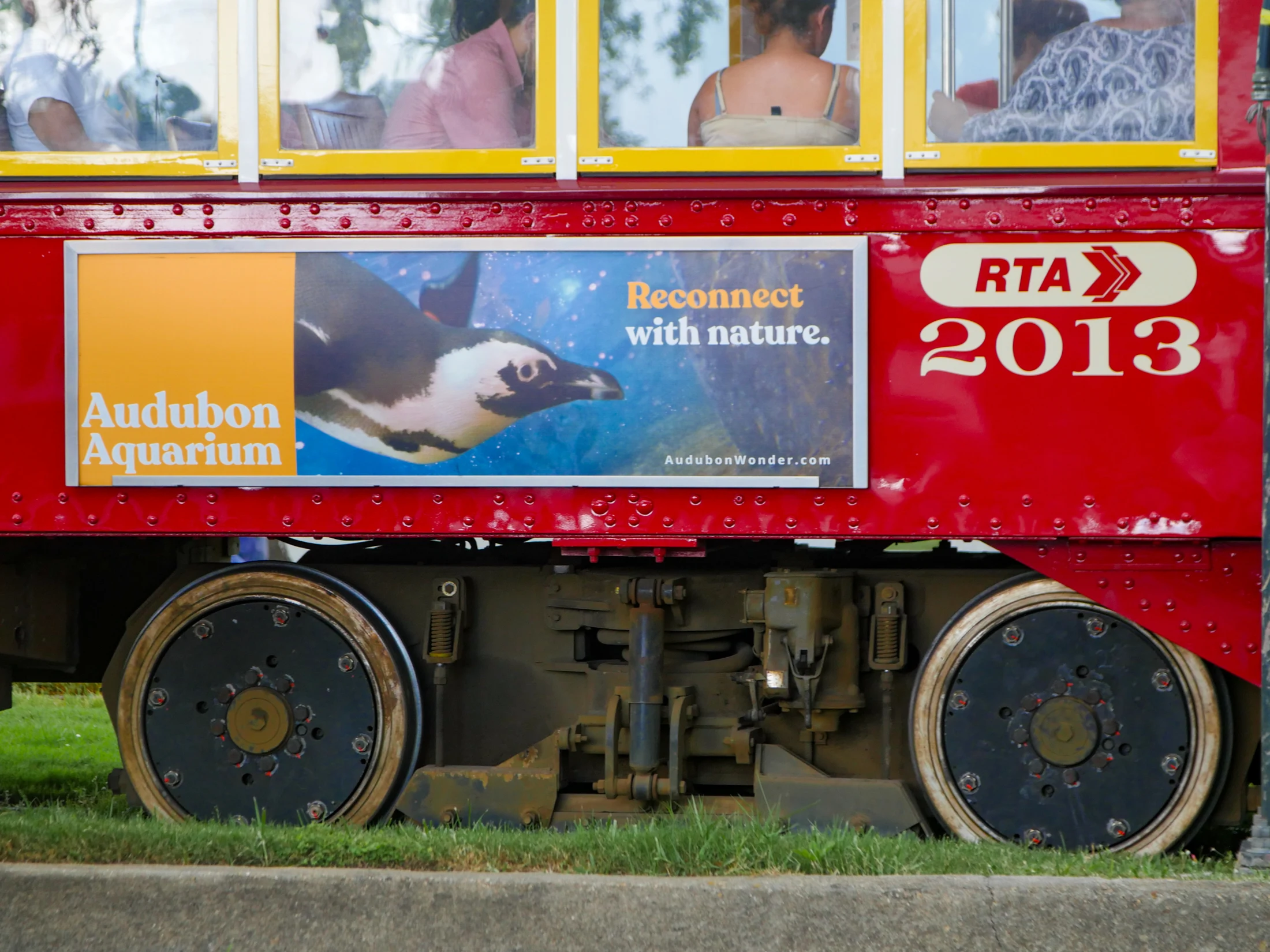
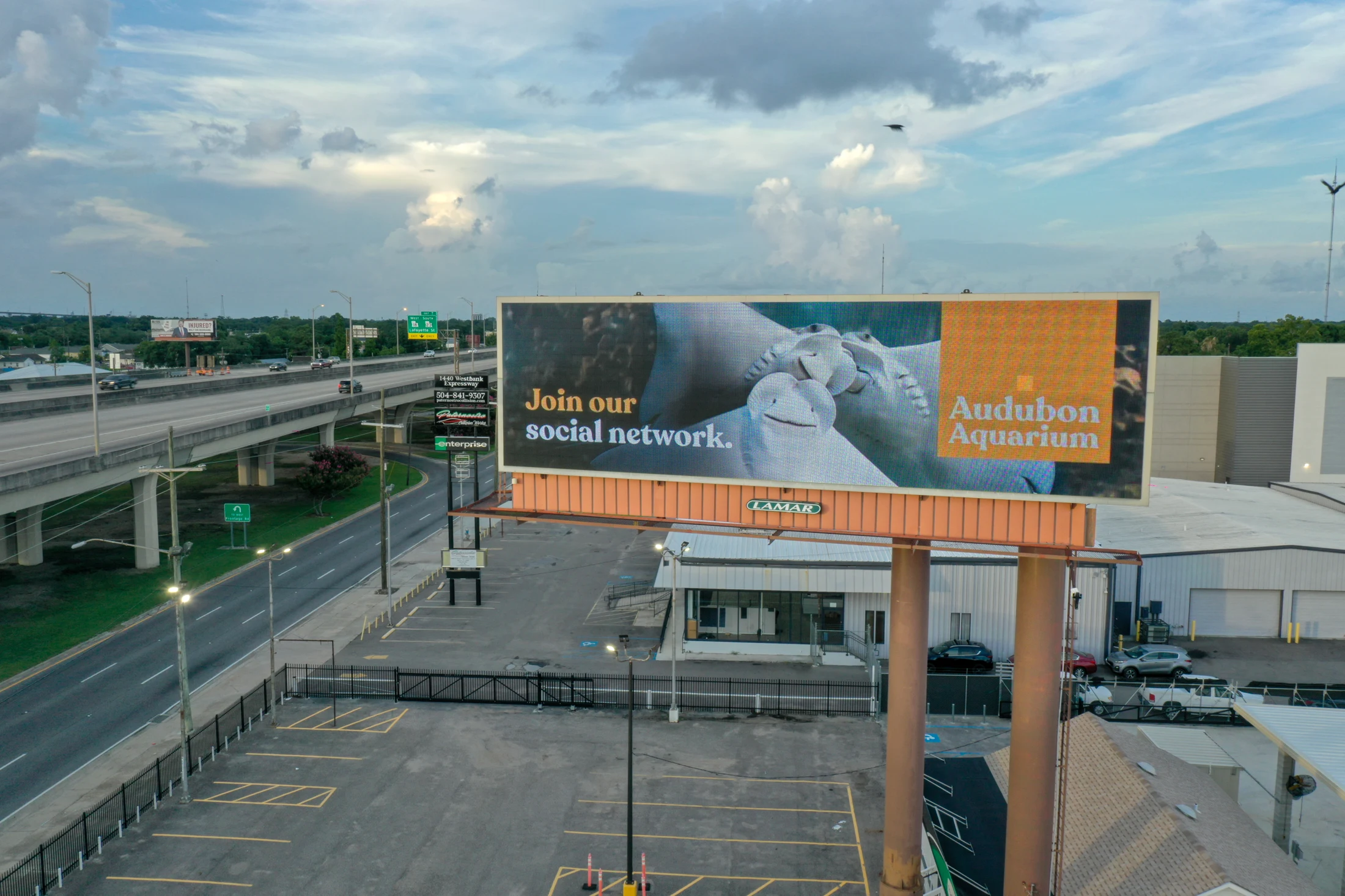
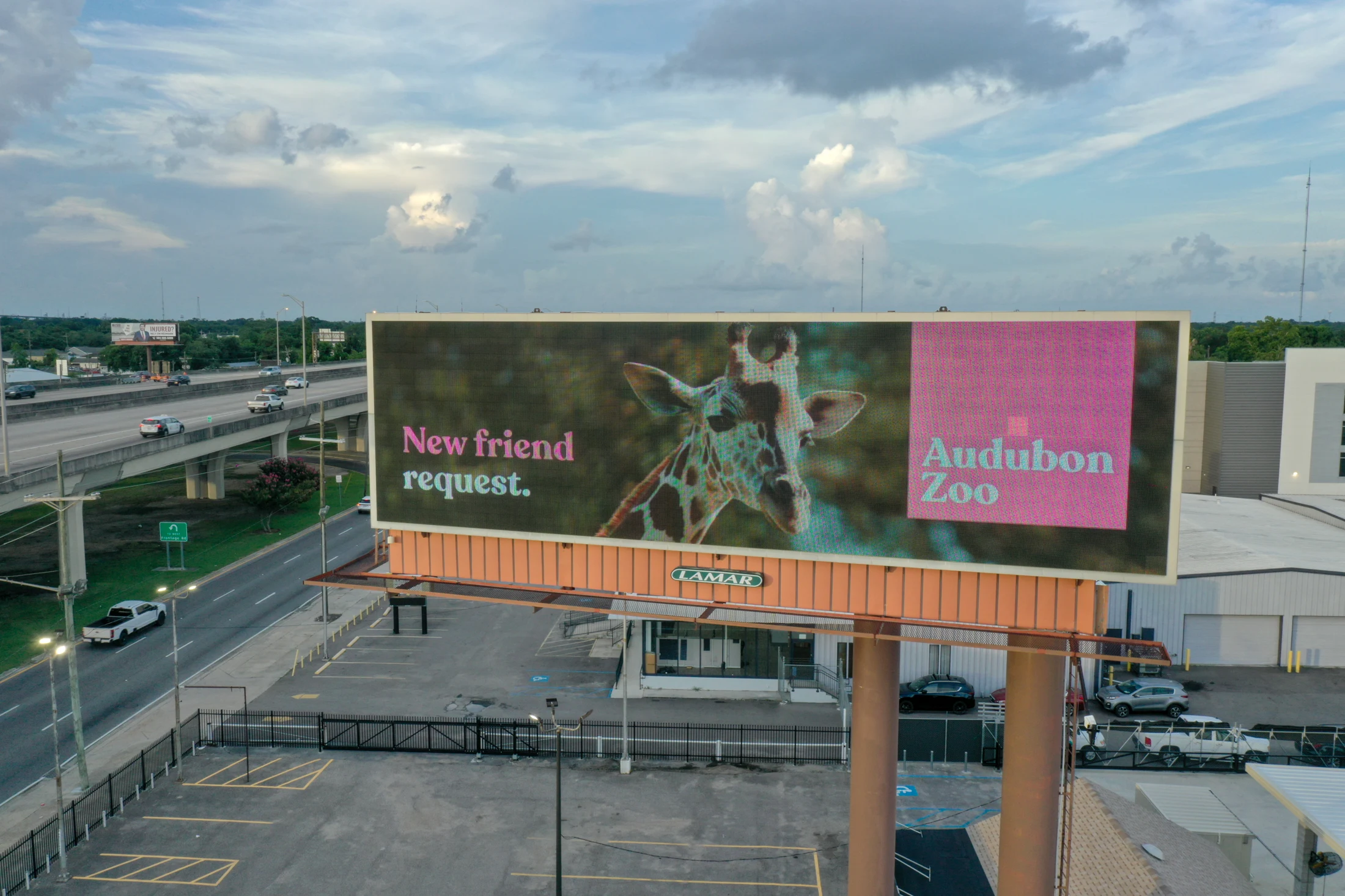
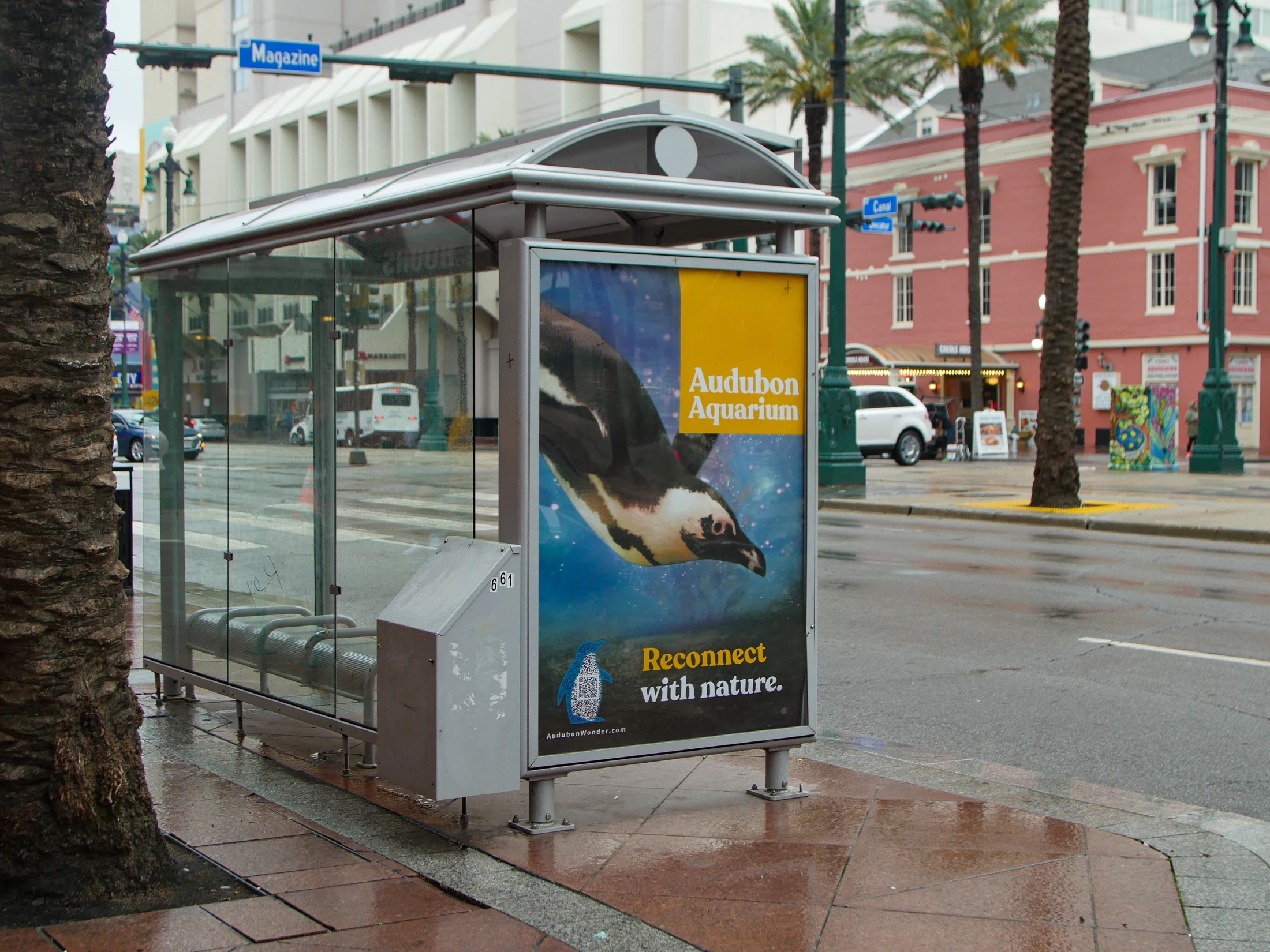
The result was a unified presence across digital, broadcast, and OOH — each channel reinforcing the others.
Marketing Architecture
From launch, the system operated as a feedback loop.
Engagement was extended twice over two years. The system kept improving and kept performing.
Results
+70%
Multi-million dollar surplus in year one
+25%
Aquarium, Insectarium, and Zoo all exceeded goals — highest visitation revenue in Audubon’s history
+23%
Compared to the 2022 baseline
What This Demonstrates
Consistent execution follows from clear architecture. Relevance follows from real segmentation. Impact compounds when channels work together. And a system that measures itself gets better over time.
When those pieces are in place, the results follow and hold.