
What the Heck is Marketing Architecture?

Marketing Architecture is the term we use for designing how all the parts of marketing fit together into one cohesive whole. We came to that idea through the work of the architect Christopher Alexander and his idea of building structures and spaces that embody “the quality without a name”—places that feel whole, alive, and deeply fitted to their use and context.
An embodied, cohesive marketing system may sound simple, but most organizations don't actually operate that way. Brand is often managed in one place, paid media somewhere else, the website by another team or vendor, analytics by whoever happened to set it up years ago, CRM by the sales/GTM team, email by marketing, social by whoever has time, and reporting by a collection of dashboards that may or may not agree with one another.
Each part can be perfectly competent on its own, and the overall system can still be a mess.
That is usually where we come in.
Marketing is a system whether you design it or not.
Every organization already has a marketing architecture. In our experience, it’s usually fragmented, disconnected, or both.
There are audiences moving through the system, however fragmented it may be. Messages are communicated, channels bring people in, websites help or hinder decisions, data moves between platforms, sales teams respond to inquiries, budgets are allocated, campaigns are measured, and customers form opinions at every point along the way.
Over time, those pieces accumulate. A new website gets added. Then a CRM. Someone launches paid social. A reporting platform gets connected. A new agency takes over search. Your CEO decides to refresh the brand. A second location opens. Someone adds an email automation. Years later, the organization may have a surprisingly sophisticated collection of marketing capabilities, but there is likely very little agreement about how they are supposed to work together.
It’s not necessarily anyone’s fault, and it may not even be a huge problem. It’s often just what growth looks like. Messy but functional. Eventually, though, the accumulation becomes a constraint.
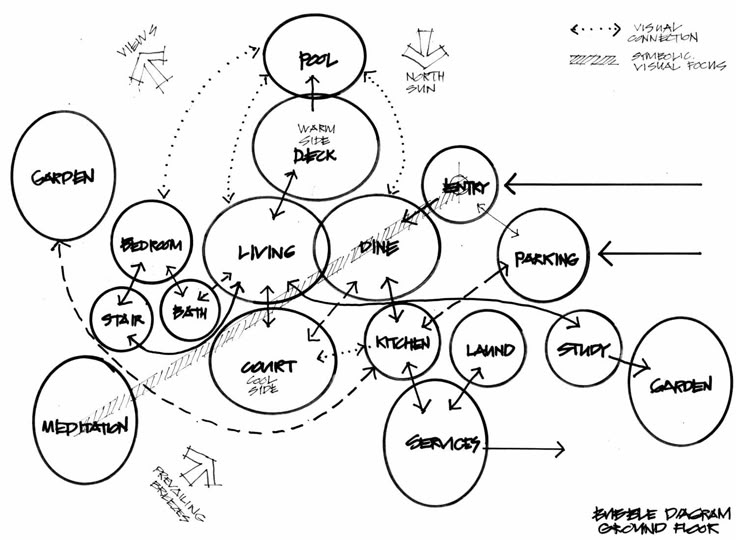
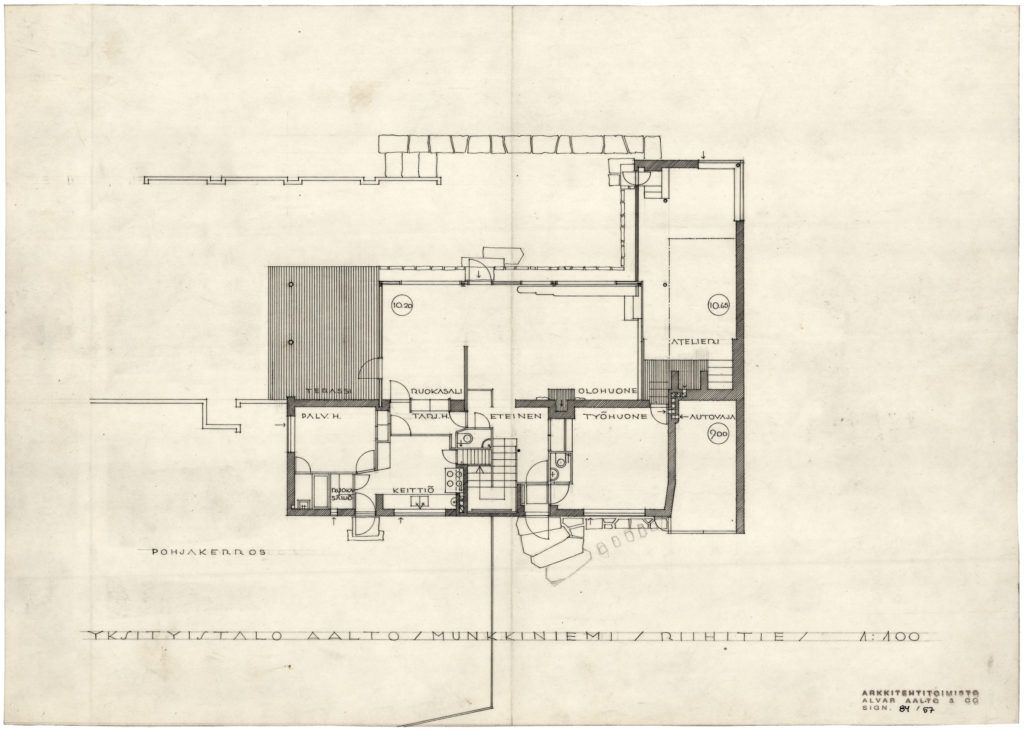
Architecture starts with relationships.
When we use the word architecture, we are not trying to make marketing sound more important than it is. We use it because the architectural way of thinking is useful.
A good architect does not begin by choosing wallpaper or building a moodboard.
The work begins with the conditions: who will use the space, what needs to happen there, what already exists, what the constraints are, how people will move through it, what needs to connect to what, and how the structure should adapt over time.
We believe marketing should work the same way.
Before deciding a company needs more advertising, a new website, a rebrand, a content program, or another piece of software, it is worth understanding the system those tactics enter.
- Who are we trying to reach?
- What are we asking them to do?
- How do they currently find us?
- What information do they need to decide?
- Where does that experience break down?
- What happens after someone raises their hand?
- Can we actually measure the outcome?
- Does the brand promise match the customer experience?
- Are our tools helping people work together, or creating more fragmentation?
Those questions are often more valuable than asking what campaign we should run next.

.jpeg)
Marketing Architecture crosses traditional marketing boundaries.
One reason Marketing Architecture can be hard to explain is that the work doesn't stay neatly inside normal agency categories.
A customer acquisition problem might initially look like a paid-media problem and turn out to be a landing-page problem. A website problem may really be an information-architecture problem. A reporting issue may expose a gap between marketing and sales. A brand project may reveal that nobody has clearly defined the audiences or offers. A traffic problem may turn out not to be a traffic problem at all once you discover that plenty of qualified people are arriving and failing to convert.
So the work moves and the structure changes.
We might spend one part of an engagement on positioning and messaging, another on analytics, another on rebuilding a website, another on media strategy, and another on creating a reporting system that allows everyone to see what is actually happening.
The disciplines matter. Specialists matter. Craft matters.
But somebody also has to be responsible for the relationships between them.
That is the architecture.
The goal is coherence.
The best marketing systems are not necessarily the ones with the most technology, the most channels, the biggest budgets, or the most content.
They are the ones where the pieces reinforce one another.
The brand establishes a clear promise. Communications carry that promise into the market. Media reaches the right people. The website helps them understand and act. Sales and operational systems continue the experience. Analytics tell us what happened. What we learn feeds back into the next round of decisions.
When that loop works, marketing becomes easier to understand and easier to improve.
When it does not, organizations often compensate by adding more activity.
More campaigns. More tools. More meetings. More dashboards. More content. More vendors.
The result can be tremendous motion with very little accumulated learning.
Marketing Architecture tries to reverse that pattern.
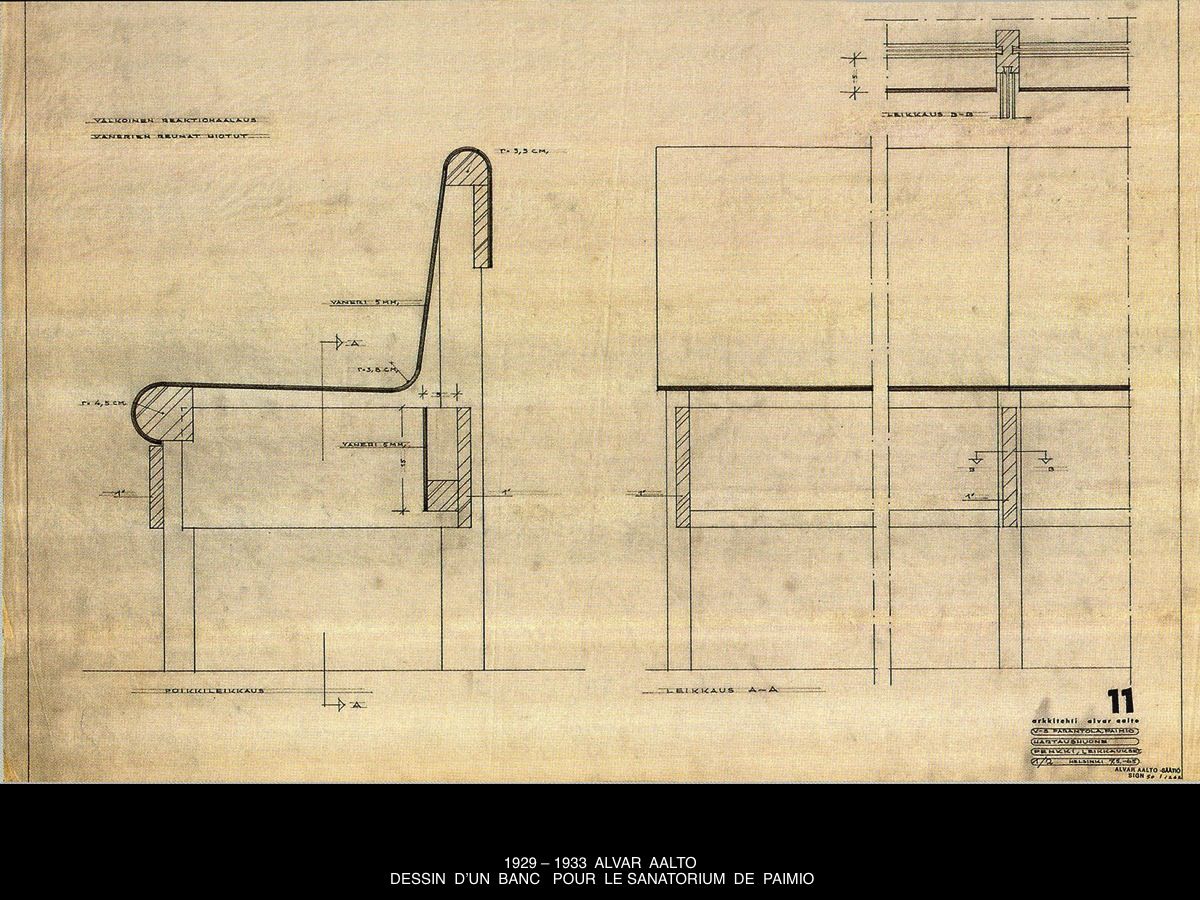
Our process works in four phases.
At Between Projects, we organize the work into four broad disciplines.
Marketing Blueprints help us understand the existing system, identify constraints, and decide what should happen next.
Brand Systems establish the identity, messaging, and design language that give the organization a coherent public presence.
Digital Infrastructure includes the websites, platforms, analytics, and operational tools that connect strategy to execution.
Growth Systems are the campaigns, measurement, and ongoing improvements that allow the whole thing to perform better over time.
The answer may be a new website, a clearer brand, or a rebuilt reporting layer, but it’s more likely a combination of those things not working together as a cohesive whole. The point is to solve the actual problem through structure rather than start with a predetermined deliverable.
Why bother?
Marketing gets expensive when the system underneath it is unclear. You spend money driving people to pages that do not convert. Teams produce work without knowing which business objective it supports. Data exists but cannot answer basic questions. Agencies optimize individual channels while nobody is looking at the whole customer journey. Good creative gets blamed for structural problems it cannot solve.
Even a well-designed system does not eliminate uncertainty completely. Marketing will always involve judgment, experimentation, and things that simply do not work.
Marketing Architecture gives us a clearer view of the system, the relationships inside it, and the levers driving business outcomes. That makes it easier to see what is working, what is not, where to invest, and what needs to change next.