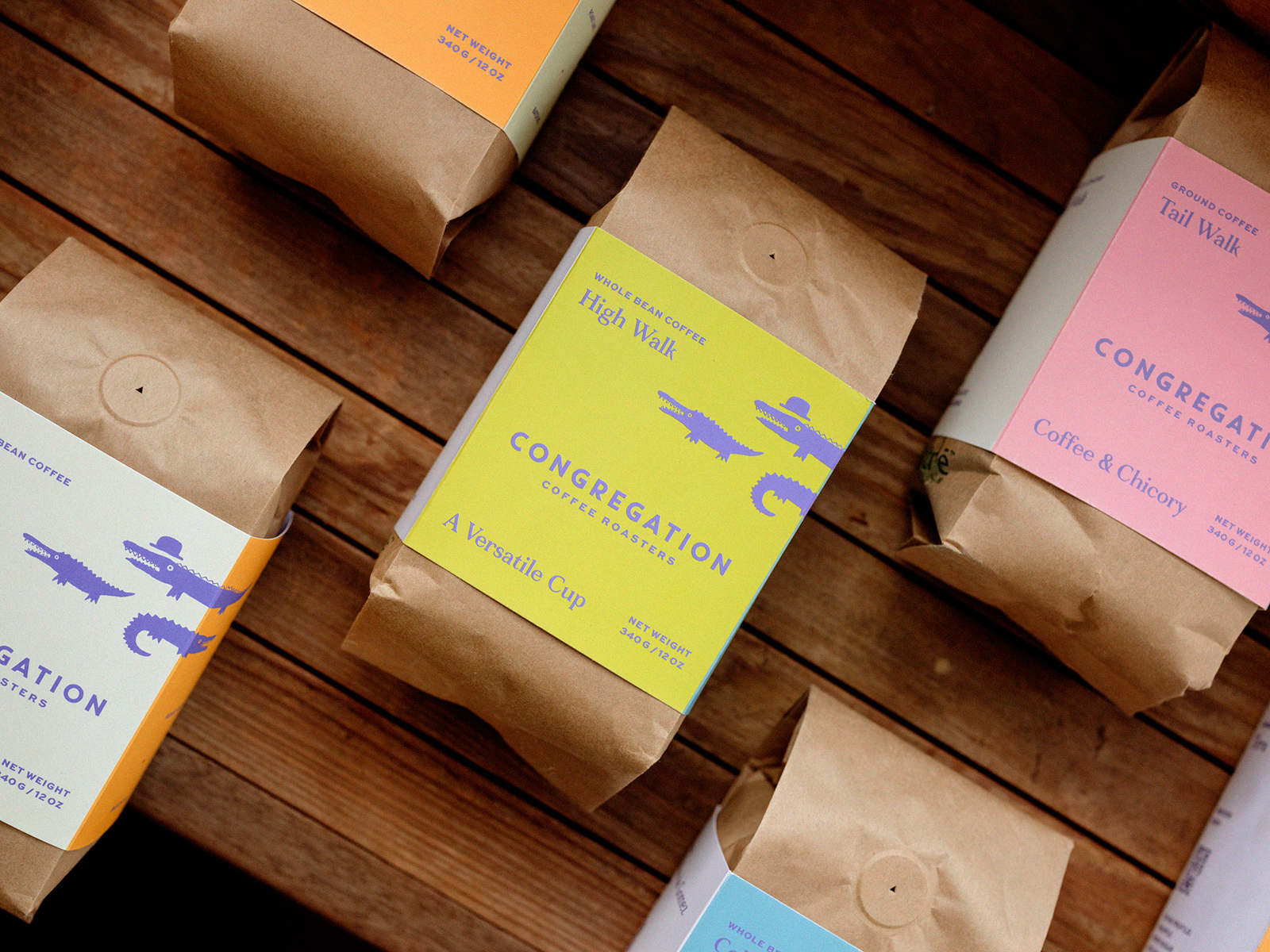
In 2022, Congregation Coffee Roasters engaged Between Projects at a moment of transition.
The brand had strong fundamentals and a loyal following, but growth had slowed. Ecommerce sales had declined post-COVID and marketing efforts were inconsistent across channels.
What appeared to be a performance issue was structural.
We developed a unified brand and marketing system to support ecommerce, retail, and future expansion while maintaining the character that made the brand distinct.
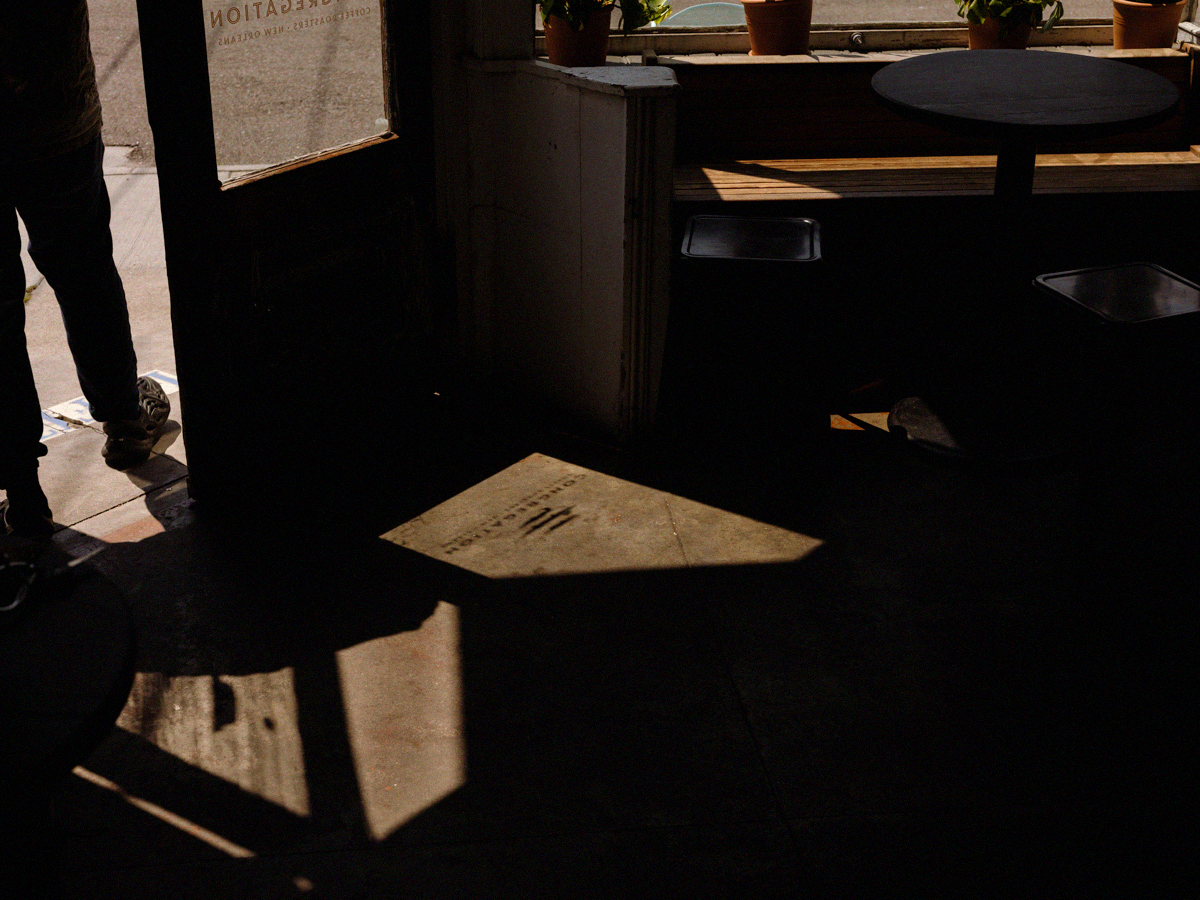
Congregation had a strong brand. It wasn't being expressed consistently.
- Messaging was fragmented across packaging, website, social, and email
- Digital marketing ran in bursts, without sustained structure
- Ecommerce performance had declined, with no system in place to recover or grow it
This created a familiar pattern: good product, strong identity, inconsistent execution.
The issue wasn't demand. It was coherence.
The brand existed. It just didn't function as a system.

We approached this as a unification problem.
The key insight: Congregation's strength isn't just product quality. It's accessibility.
Specialty coffee often signals expertise, which creates distance. Congregation does the opposite: high-quality coffee presented without intimidation, grounded in a distinctly New Orleans sensibility — welcoming, informal, human.
That idea already existed in the brand. The work was to make it operational across every channel, every product, and every location.
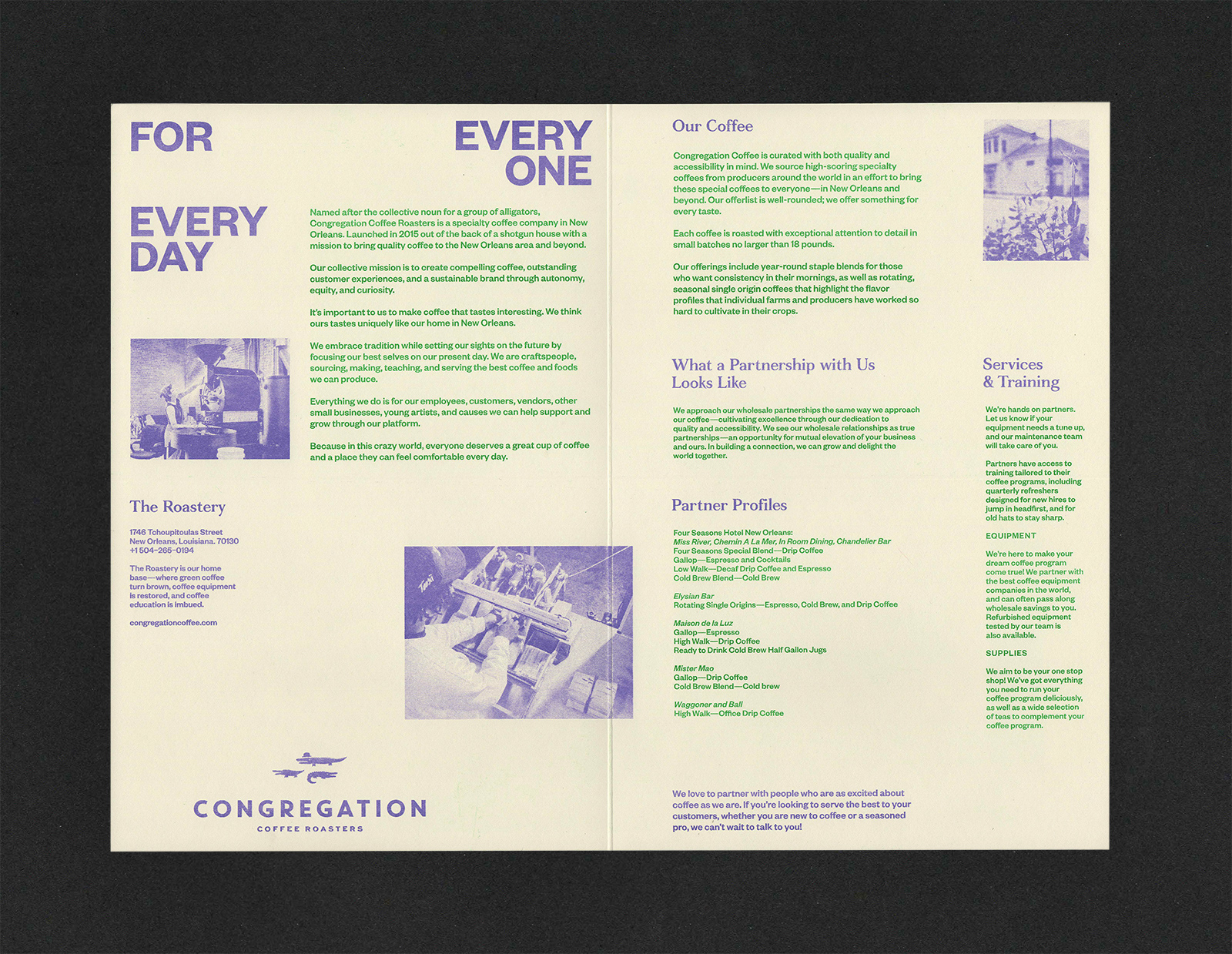
We designed and implemented a complete brand and marketing system.
Between Projects led strategy, brand structure, and digital execution, establishing a unified framework built to scale.
The system included:
- Brand strategy + guidelines — defining tone, positioning, and visual consistency across all touchpoints
- Website redesign + ecommerce — improving clarity, usability, and conversion
- Content + campaign system — a structured asset library for deployment across channels
- Channel integration — aligning email, social, paid media, and packaging under a single narrative
- Analytics + reporting — centralized performance tracking to guide ongoing decisions
The objective wasn't to add more marketing. It was to make what existed coherent, consistent, and scalable.
1. Studies
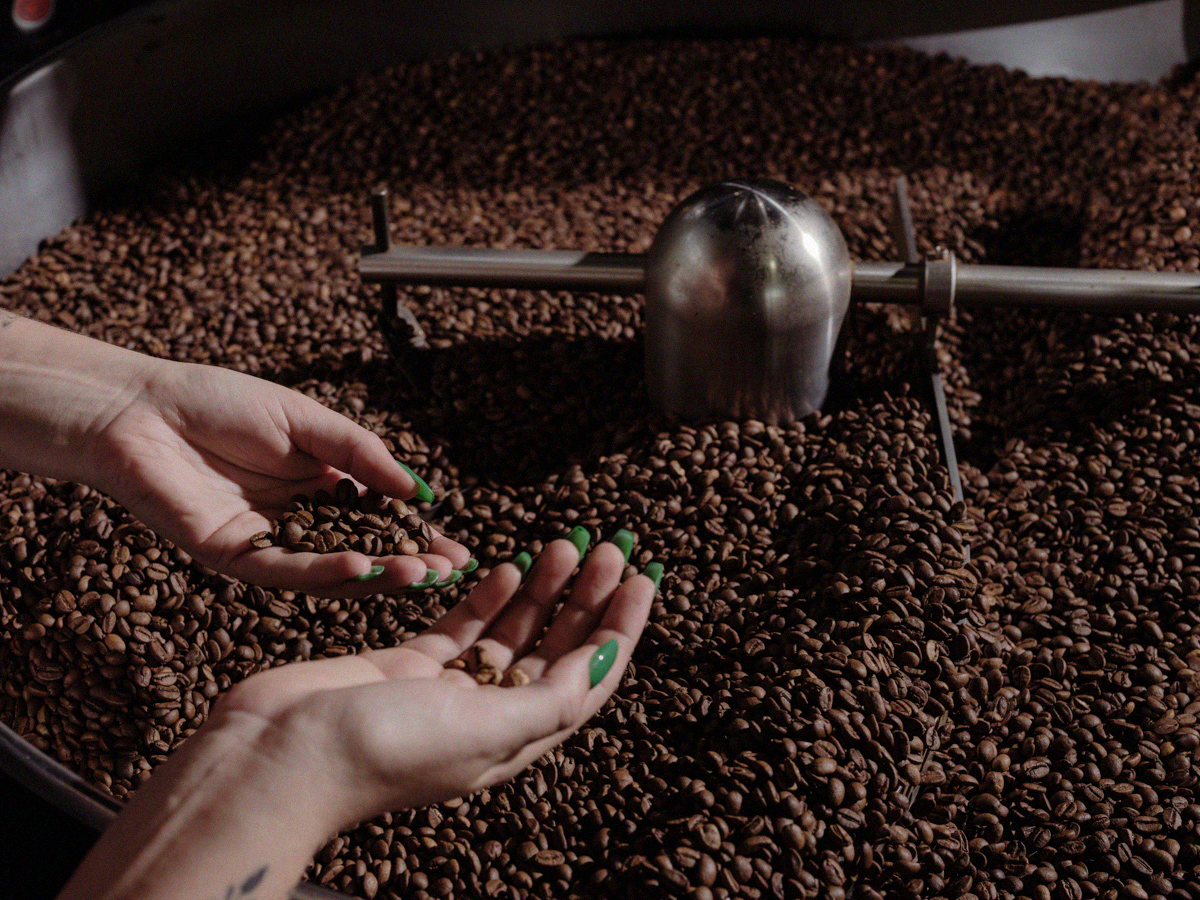
We began with a full audit of the brand and its performance.
- Existing brand assets and packaging
- Website and ecommerce performance
- Social, email, and paid media activity
- Internal perspectives from staff and partners
The finding was consistent across all areas: strong individual elements, no unifying system.
2. Blueprint
We formalized the brand around a single principle:
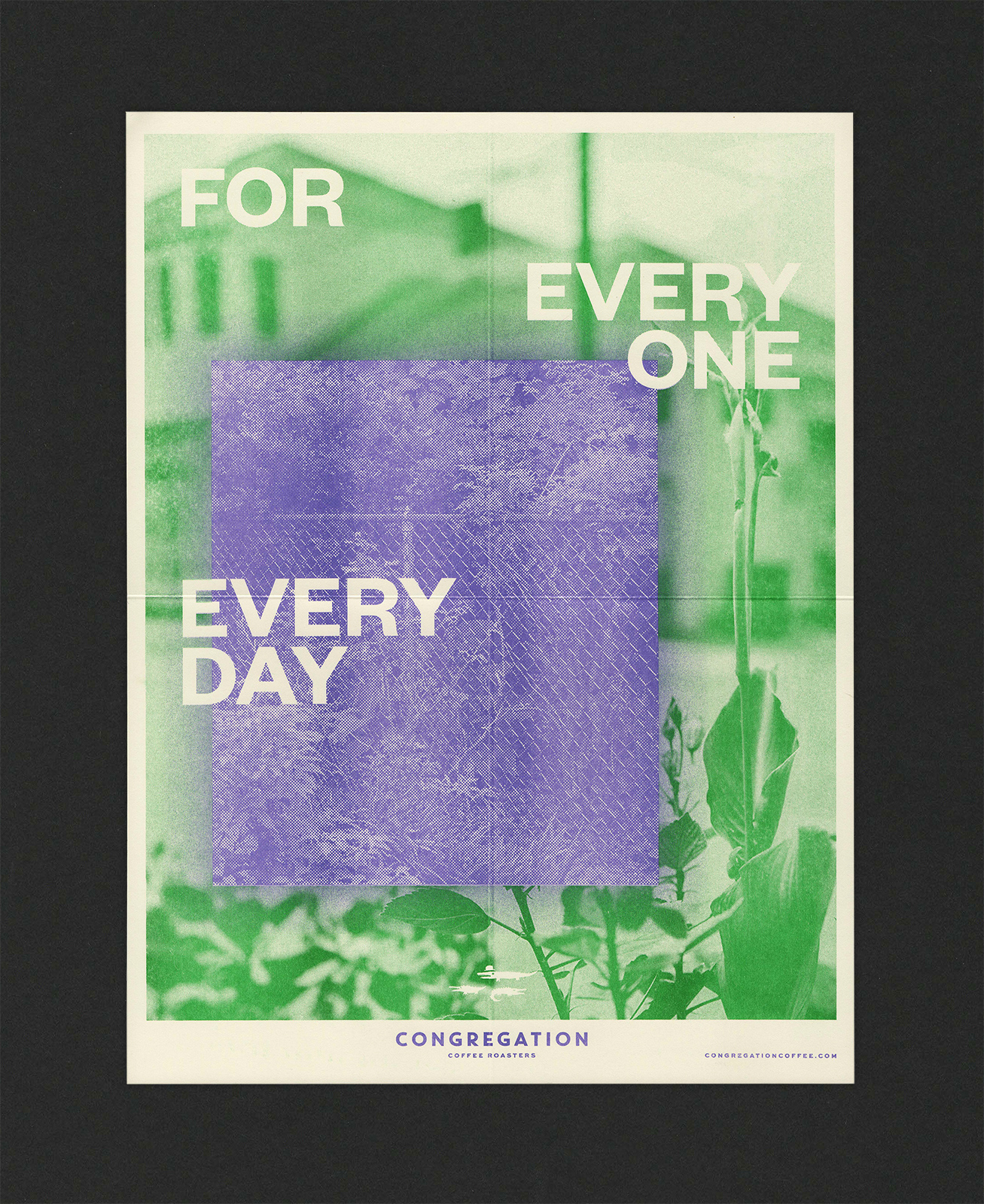
"For Everyone, For Every Day"
Accessibility without compromise.
This translated into:
- Clear brand standards for voice, tone, and visual identity
- Defined audience segments across ecommerce and retail
- A structured approach to messaging across channels
- A campaign system built for both everyday engagement and key moments
The goal was alignment: every touchpoint reinforcing the same idea.
Existing Brand Loyalists
- Daily café customers
- Subscription members
- Local community regulars
Ecommerce Customers
- Out-of-state fans
- Gift buyers
- Wholesale inquiries
New Audience
- Specialty coffee explorers
- Café culture enthusiasts
- Retail and grocery shoppers
3. Design / Build
We translated the strategy into a working system.
- Website redesign and ecommerce optimization
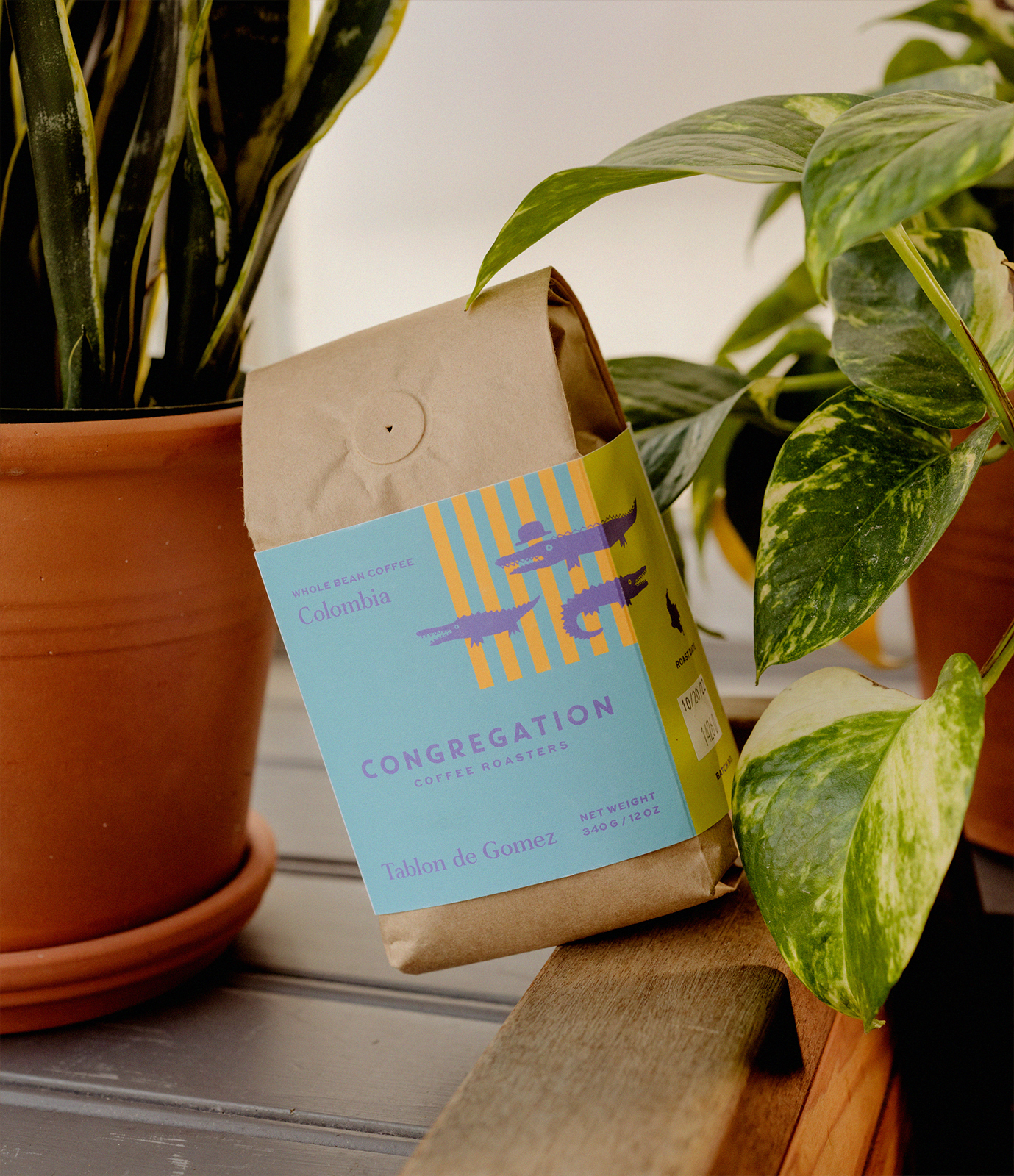
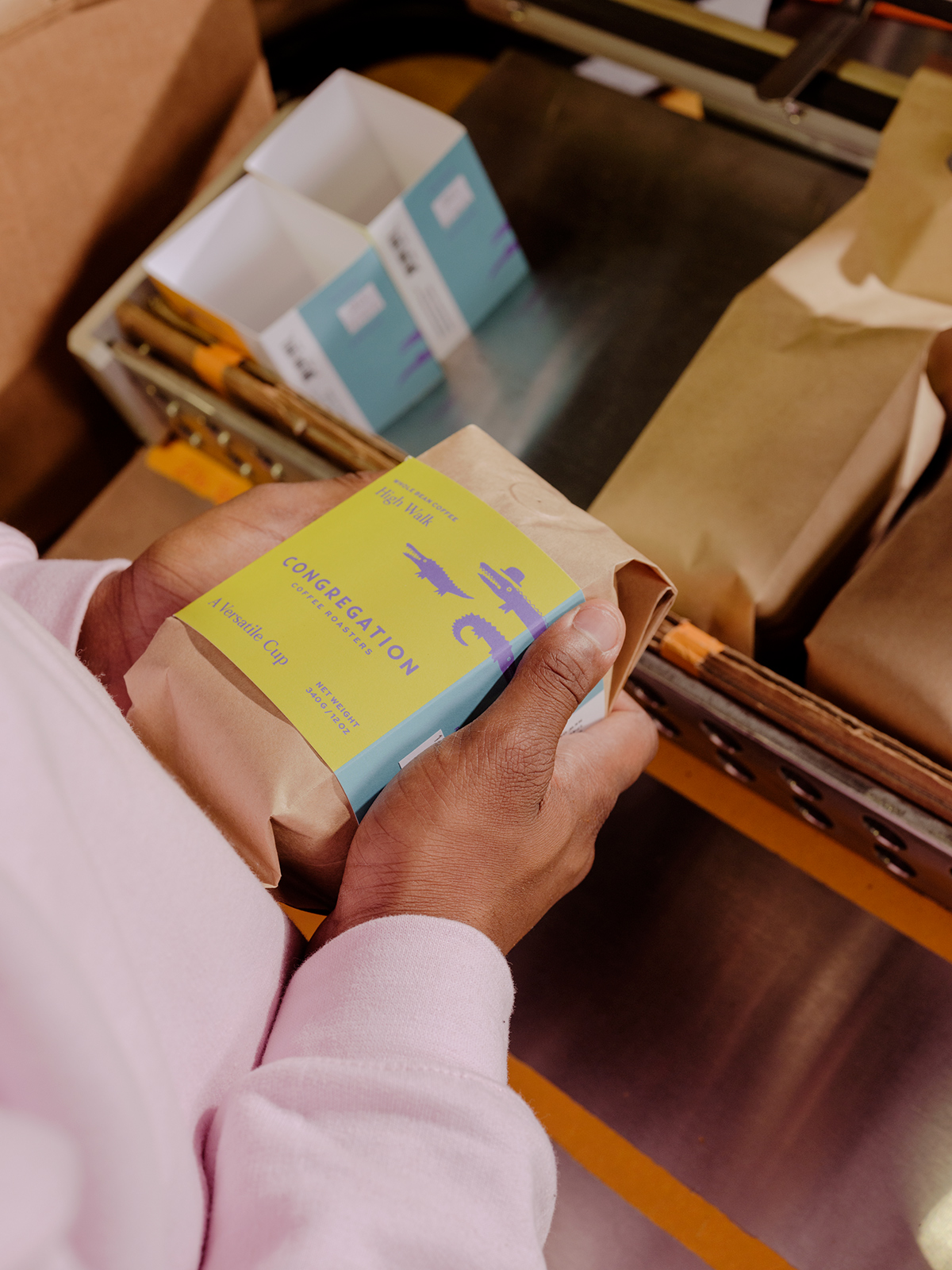
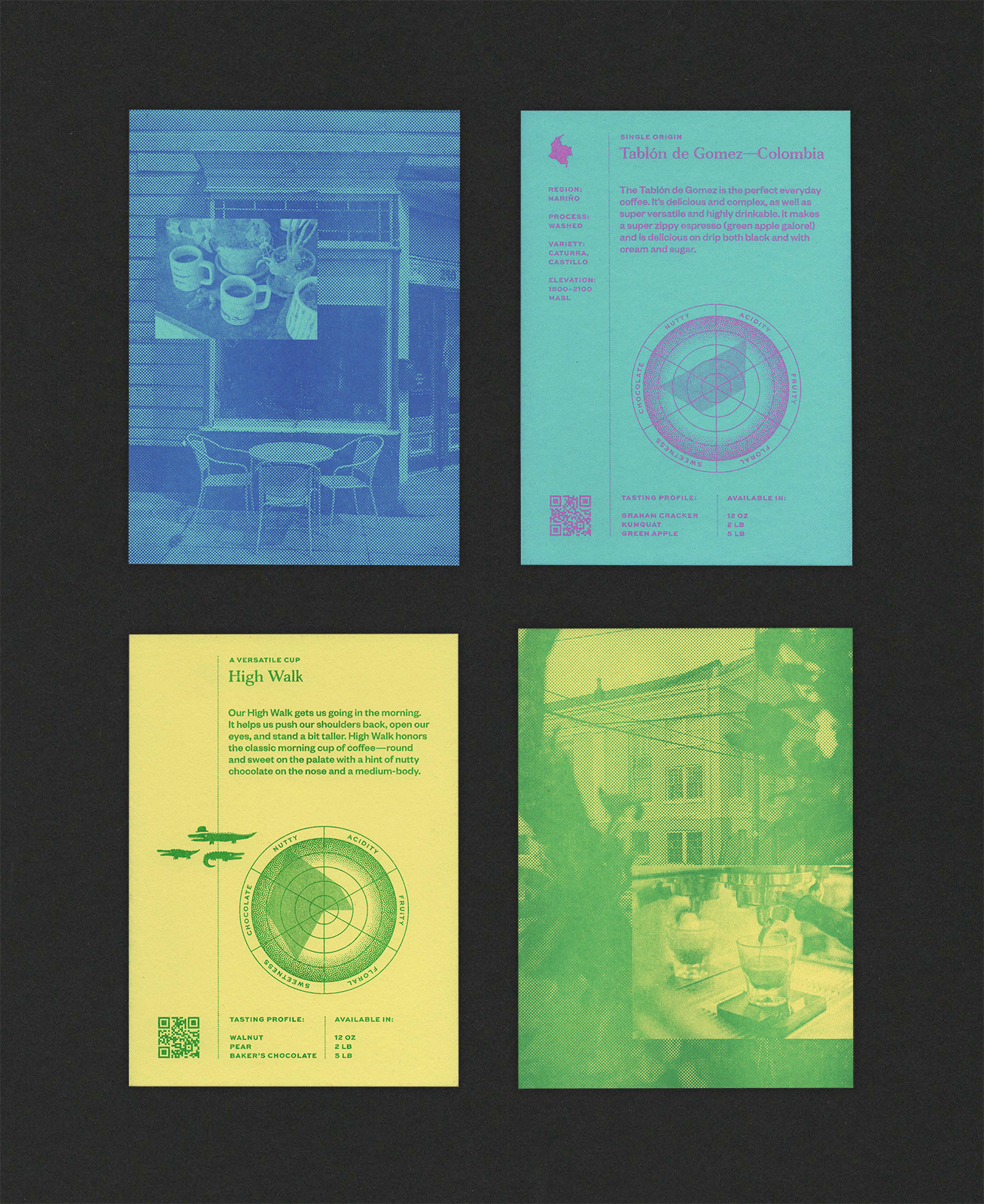
- Brand refinement and graphic system development
- Content creation across photography, social, and email
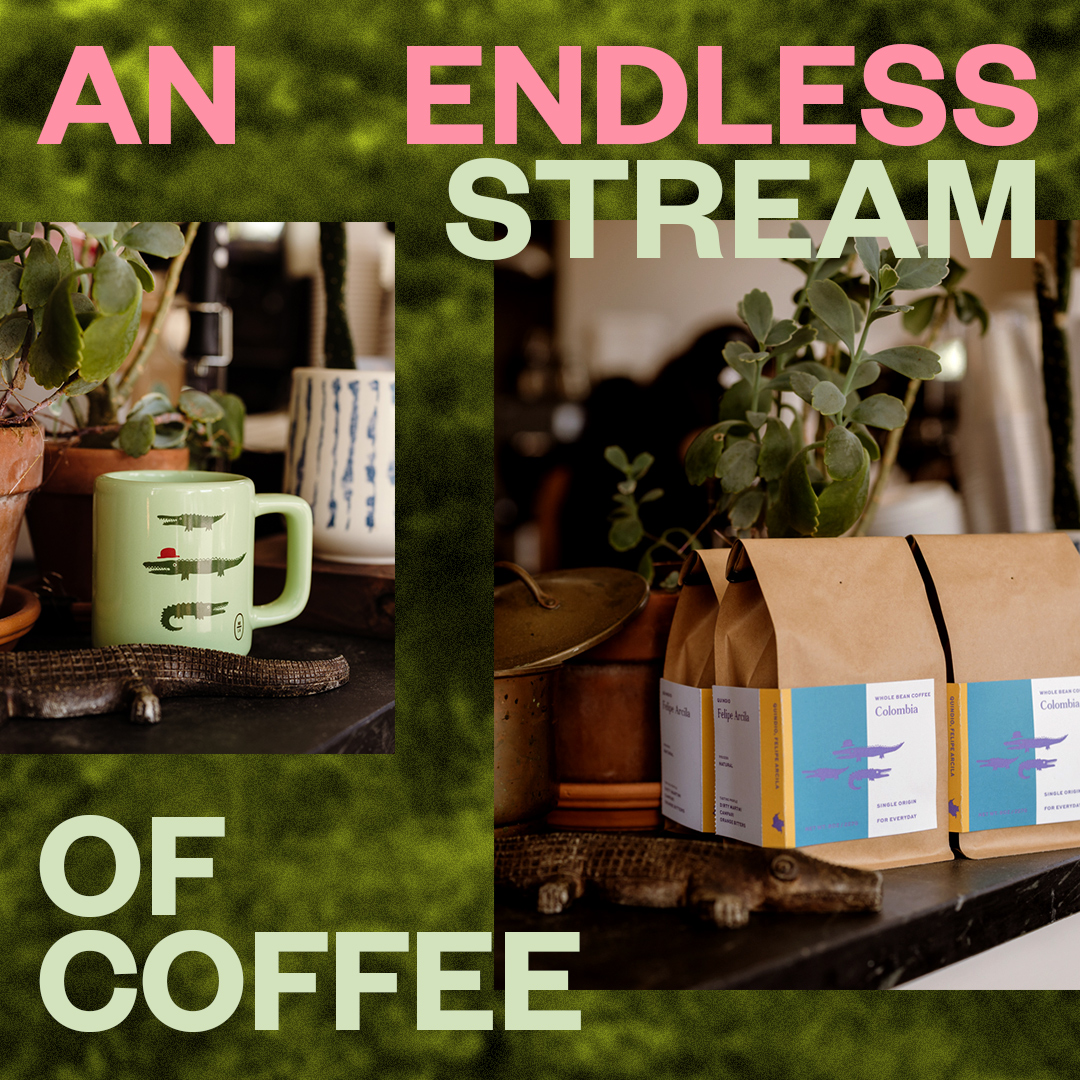
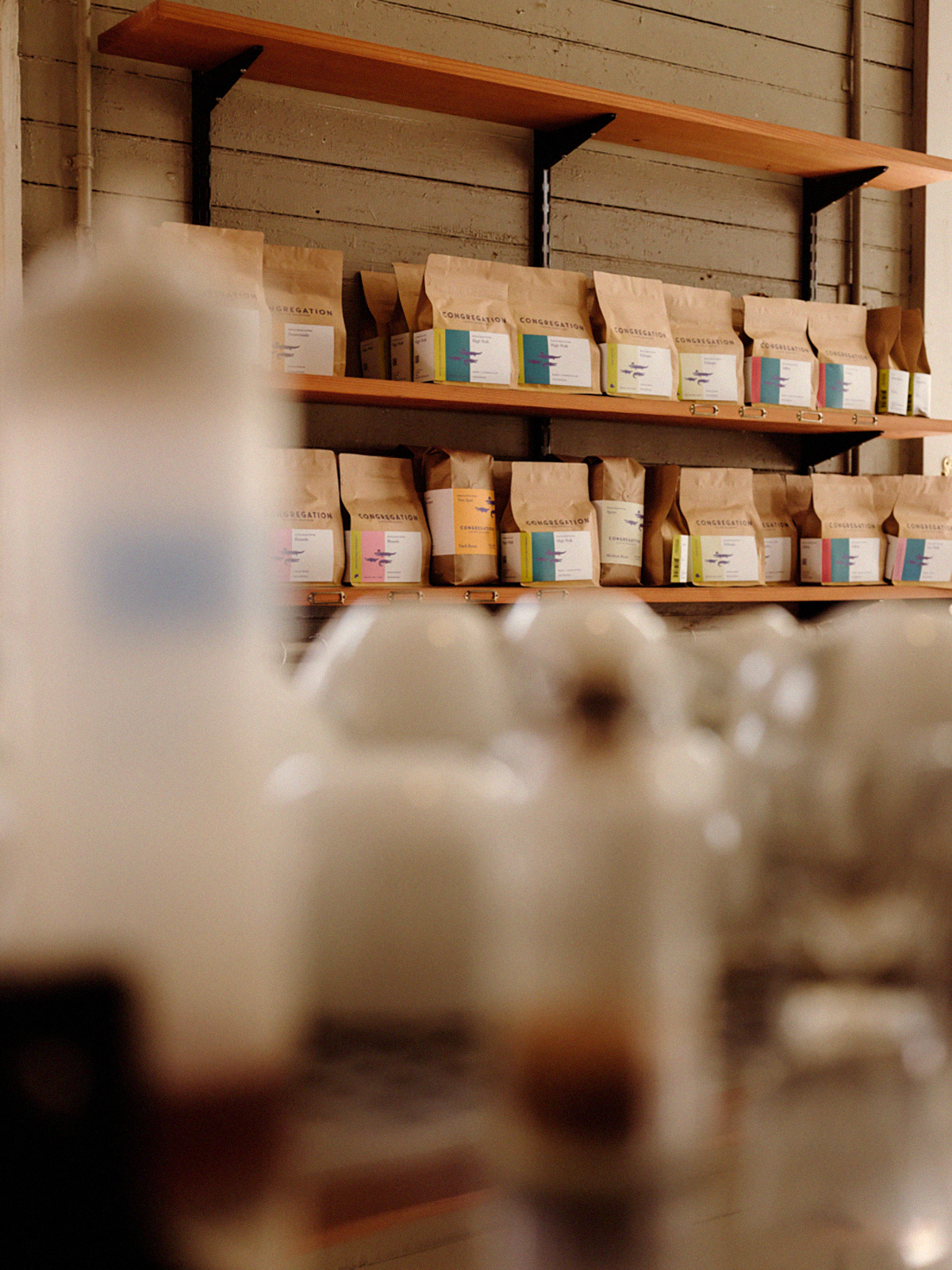
- Packaging and print aligned with the broader identity
- Paid media introduced as a consistent, structured channel
Each component was built to work within the same framework: consistent in tone, coordinated in timing, aligned to conversion.
4. Optimization
With the system in place, performance became measurable and adjustable.
- Ecommerce, retail, and campaign performance tracked centrally
- Messaging and creative iterated based on response
- Channel mix adjusted to support both daily sales and longer-term growth
As new cafes opened, the system extended — allowing each location to benefit from and contribute to the same underlying structure.

Brand consistency is not aesthetic. It's operational.
When a brand is fragmented, performance is inconsistent. When it's unified, each channel reinforces the others and growth compounds.
Congregation didn't need reinvention. It needed alignment: a system that could express what the brand already was, clearly and consistently, across every touchpoint.
Once that system was in place, performance followed — and scaled with the business.